a&w surplus: Buyer’s Guide — Risks, Rewards, and How to Shop Smart
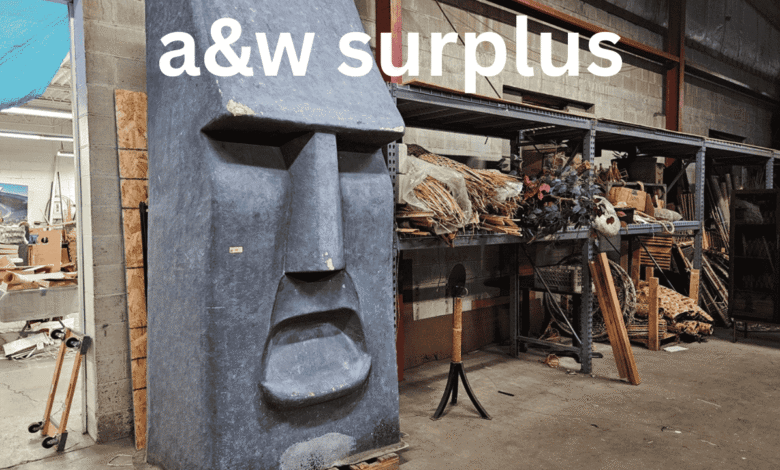
What is a&w surplus and why it matters to bargain hunters
The phrase a&w surplus refers to a specific type of surplus auction and liquidation business that sells overstock, returned items, and mixed lots to consumers through auctions and direct sales. For readers who like bargains, a&w surplus promises access to discounted goods — from electronics and tools to clothing and household items. At the same time, the business model behind a&w surplus creates special risks that every buyer should understand before bidding or purchasing.
How the a&w surplus business model works
At the core, a&w surplus operates like many liquidation and auction houses: sellers offload excess inventory, canceled shipments, or returned merchandise in lots. Buyers then bid on the lots — sometimes online, sometimes at live webcast auctions. Because items are often sold as-is and in mixed pallets, the condition and exact contents of a winning lot can vary widely.
Key characteristics of this model:
- Lots often contain mixed items rather than single, guaranteed products.
- Photos and descriptions serve as a guide, but do not guarantee complete accuracy.
- Sales are commonly final, with many auctions stating “as is, where is” terms.
Understanding these mechanics is essential when considering any purchase from a&w surplus. The appeal is obvious: low starting prices and the thrill of scoring valuable items. The downside is that unpredictability is baked into the process.
Common buyer experiences with a&w surplus
Customer experiences reported about a&w surplus range from triumphant to frustrated. Some buyers open a pallet and find useful tools, parts, or electronics that deliver strong value for money. Others report receiving broken, incomplete, or heavily damaged items.
Typical positive outcomes:
- Finding reusable electronics or parts that cover the cost of the lot.
- Reselling higher-value items found in mixed lots.
- Sourcing hard-to-find parts at a fraction of retail price.
Typical negative outcomes:
- Receiving large amounts of irreparably damaged goods.
- Getting items that were misdescribed or not shown in the photos.
- Struggling with no returns or limited recourse after purchase.
The mixed feedback highlights why careful research and a conservative bidding strategy are important when dealing with a&w surplus.
Why a&w surplus attracts both sellers and buyers
There are clear reasons why both sides of the market use services like a&w surplus. Sellers — such as retailers and distributors — need a fast and cost-effective way to clear excess or returned inventory. Liquidation through auctions avoids storage costs and quickly converts goods back into cash. Buyers are attracted to the potential for deep discounts and access to a wide variety of products.
From a bigger picture perspective, a&w surplus and similar operations play a role in reducing waste by keeping usable goods in circulation rather than in landfills. However, the environmental benefit is balanced against buyer risk: reuse is great when items are functional, less so when most of the lot is junk.
How to evaluate a&w surplus listings before you bid
Before placing a bid, adopt a discipline to reduce surprises. Treat each lot as a speculative purchase and look for the following clues:
- Read the item description carefully and compare multiple photos.
- Note any stated defects or “sold as-is” disclaimers.
- Check whether the auction allows previewing items in person or in a local inspection window.
- Research the seller’s history and any available reviews or complaint records.
- Factor in shipping and handling costs, as heavy pallets can be expensive to transport.
Practical points to remember:
- If you cannot inspect the lot in person, price it as if only a portion of the items are usable.
- Build a buffer into your bid to account for potential repair or disposal costs.
- Prioritize lots that contain familiar product categories you know how to evaluate or refurbish.
Tips to reduce risk when buying from a&w surplus
Savvy buyers develop routines that help turn risky purchases into manageable investments. Consider these tactical tips:
- Start small. Bid on smaller lots or single-item auctions to learn the seller’s patterns without risking too much.
- Understand return policies. If returns are not allowed, assume everything is final and price accordingly.
- Ask questions. If contact information is available, request more details about the condition or exact contents.
- Avoid emotional bids. Set a hard maximum bid that includes transport and potential refurbishment costs.
- Plan for disposal. Have a plan for recyclable or unsalvageable materials to minimize loss.
Applying these steps when interacting with a&w surplus can lower the chance of an unpleasant surprise.
The legal and consumer protection angle with a&w surplus
Because many liquidation sales explicitly state that items are sold without warranties, consumer protections may be limited. Buyers should pay attention to the terms of sale and be aware that chargebacks or disputes may be harder to win if the auction’s rules were clear and visible at the time of purchase.
What to watch for:
- Clear, prominent sale terms are a sign of transparency; hidden or hard-to-find terms are a red flag.
- Keep records of listings, screenshots of descriptions, and communication in case of disputes.
- If a transaction involves major payment problems, consider involving financial institutions or formal dispute channels.
Practical use cases where a&w surplus is a good fit
Not every buyer should use a&w surplus, but there are scenarios where it makes strong sense:
- Hobbyists and tinkerers who can repair or repurpose parts.
- Resellers experienced in sorting and selling individual items for profit.
- Small businesses seeking low-cost equipment or replacement parts that are not time-sensitive.
- People focused on sustainability who wish to give used goods a second life and have the skills to verify functionality.
If you do not enjoy refurbishing or reselling, the unpredictable nature of a&w surplus may be a poor fit.
How to spot potential red flags in a&w surplus listings
Some warning signs deserve immediate attention:
- Vague or misleading photos that do not show key details.
- High volume of identical negative reviews mentioning the same problem.
- Sellers that repeatedly change terms after bids are placed.
- Excessive shipping or handling fees that eliminate any apparent savings.
When you see multiple red flags, it’s wiser to step back and avoid bidding.
Summary points — quick checklist for buying from a&w surplus
- Inspect descriptions and photos closely.
- Treat every lot as speculative; expect mixed results.
- Start with small purchases to build experience.
- Factor in transport, repair, and disposal costs.
- Maintain documentation for disputes.
Use this checklist each time you approach a new auction or sale through a&w surplus to protect your budget and time.
Final considerations before you buy from a&w surplus
Remember that a&w surplus represents an opportunity wrapped in uncertainty. The possibility of finding great value exists alongside the possibility of receiving poor-quality goods. Success comes from careful evaluation, disciplined bidding, and realistic assumptions about item condition.
Conclusion
a&w surplus occupies a particular niche in the resale and liquidation marketplace: it offers access to discounted lots and inventory that mainstream retail does not provide, but it also carries pronounced uncertainty. For buyers who prepare, inspect, and bid cautiously, a&w surplus can deliver bargains and reusable materials. For buyers who are unprepared or expect retail-like guarantees, the experience can be frustrating. Use the practical tips and checklist in this article to make informed decisions, protect your budget, and increase the chance that every purchase from a&w surplus becomes a positive outcome.