troy dendekker: guardian of a musical legacy and life after loss
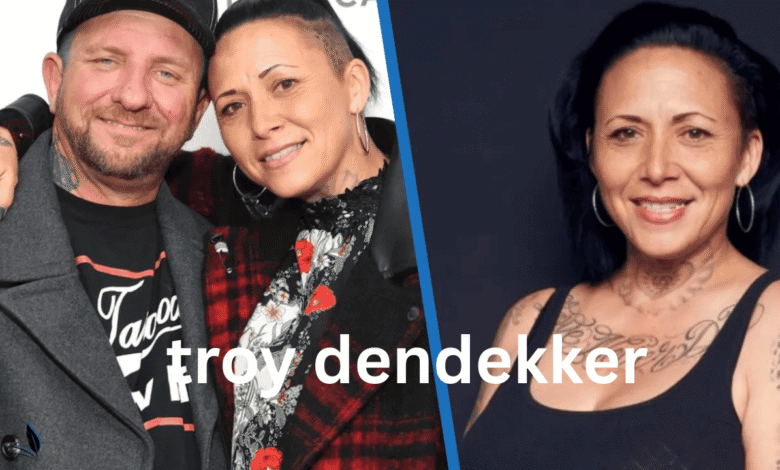
troy dendekker’s story is one of sudden tragedy, quiet resilience, and the long work of preserving a cultural legacy. This article gathers the most consistent details reported about her life, clarifies what is verified and what remains uncertain, and offers practical angles for writers and readers who want to understand her role in a music history that still resonates.
1. Reported background and defining events
troy dendekker is most widely known as the woman who married Bradley Nowell, the lead singer and guitarist of Sublime. Reports place her son Jakob’s birth in 1995 and the couple’s brief marriage in May 1996, with Bradley Nowell’s death occurring days after the wedding. These events shaped public attention around troy dendekker: sudden widowhood, a newborn son, and immediate responsibility for aspects of a musical estate.
What is commonly reported:
- Troy became the primary caregiver to Jakob and a steward of aspects of Bradley’s legacy.
- Her public profile has been limited; she has preferred privacy while managing legacy matters.
- Over time she has been associated with preserving Sublime’s music and supporting Jakob’s entry into music.
These items are the backbone of most biographies and profiles: they are consistently mentioned across sources and form a factual frame for further discussion.
2. Managing legacy: responsibilities and challenges
After a high-profile loss, handling rights, royalties, and public perception becomes a complex job. troy dendekker’s reported role includes:
- Overseeing licensing and releases tied to her late spouse’s work.
- Making decisions about how the music is presented to new audiences.
- Supporting her son’s musical development while balancing public interest.
Estate and legacy management is rarely straightforward. Contracts, publisher claims, and the changing music business all affect how a family retains control or benefits from an artist’s work. In this context, troy dendekker’s choices helped determine how Sublime’s music continued to reach listeners and how the narrative around Bradley Nowell was shaped for future generations.
3. Motherhood and supporting a new generation
Raising a child in the aftermath of a celebrity death brings particular pressures. Reported accounts emphasize that troy dendekker put Jakob’s welfare first, steering clear of sensationalism and protecting him from exploitation. Key aspects often mentioned:
- Prioritizing a private childhood while allowing a connection to musical roots.
- Supporting Jakob’s own musical interests in a way that honors his father’s memory without forcing a public persona.
- Balancing income from the estate with long-term security for the family.
This balancing act—between legacy and privacy—is central to understanding troy dendekker’s public and private choices.
4. Public presence, advocacy, and personal privacy
troy dendekker’s public visibility has been intentionally limited. Some reported activities suggest involvement in substance-abuse awareness and advocacy born from personal loss, but overall she has preferred to avoid ongoing media attention. The consequences of this approach include:
- Less media scrutiny over private life.
- A narrative shaped more by official releases and family statements than by interviews or public appearances.
- A public perception that respects privacy but leaves gaps and speculation.
That gap of public detail has allowed myths and mixed reports to spread—making careful, sourced reporting important.
5. Common uncertainties and myths
Several details about troy dendekker remain inconsistent across public accounts. Journalists and writers should treat the following as disputed or reported rather than definitive:
- Precise net worth estimates have wide ranges in different writeups.
- Early life details—such as parents, schooling, and upbringing—are often unverified or omitted.
- The exact legal arrangements for estate control can be complex and are not always fully public.
Writers should label uncertain points clearly and avoid presenting speculation as fact. Framing information as “reported” or “as per accounts” preserves credibility while covering the full picture.
6. Short points to enrich an article
- A timeline of major dates helps readers track events: son’s birth, marriage date, Bradley Nowell’s death, major posthumous releases, and public appearances involving the family.
- Humanize the story: include how a family copes with sudden loss and public attention.
- Focus on legacy mechanics: explain royalties, licensing, and how music rights translate into ongoing cultural influence.
- Highlight generational continuity: how children of artists approach their fathers’ music.
These concise points can be inserted between sections or used as sidebars to break long text and improve readability.
7. Suggested article angles for a blog website
- How families preserve a musician’s legacy after an unexpected death.
- The ethics of posthumous releases and the guardian’s role.
- A human-interest profile: motherhood, privacy, and legacy stewardship.
- Fact-checking common myths about well-known music families.
Each angle lets you use the same core facts while addressing different reader interests—legal, emotional, cultural, or investigative.
8. Writing tips to keep the article authoritative and readable
- Use clear headings that match readers’ questions: who, what, when, how, and why.
- Mark uncertain facts as reported or disputed to maintain trust.
- Include short pull-out boxes with dates, quick facts, and takeaways.
- Keep sentences direct and paragraphs short for web readability.
These methods increase engagement while preserving the factual integrity of material about troy dendekker.
Conclusion
troy dendekker’s public story is shaped by a few pivotal events: marriage to a high-profile musician, the sudden loss of that partner, and the subsequent responsibility for a child and a cultural legacy. While core facts about those moments are widely reported, many personal details remain private or unverified. For writers, the best approach is clear: present the documented events, acknowledge uncertainties, and focus on the human and practical work of legacy stewardship. That balance yields respectful, informative writing that serves readers without exploiting private pain.
troy dendekker’s example reminds us that behind lasting music often stand quieter figures who manage the practical and emotional work of memory.