abby hornacek eye injury: how a sports accident reshaped a life and career
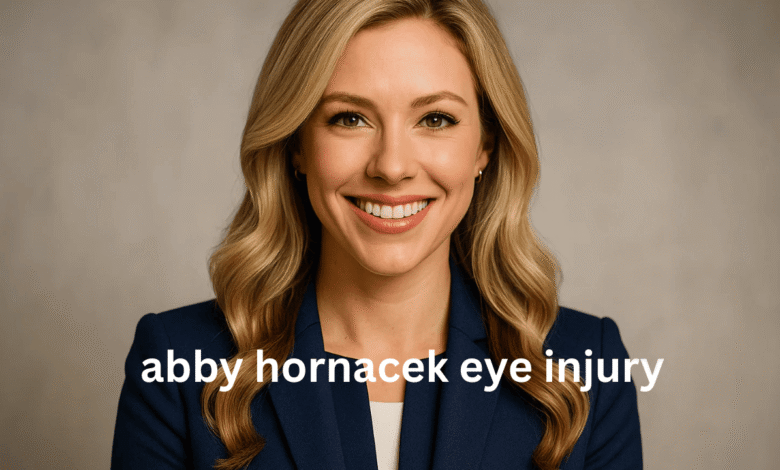
Abby Hornacek’s story is one of sudden change, resilience, and reinvention. The phrase abby hornacek eye injury captures a moment that altered her athletic future and redirected her ambitions into broadcasting and media. This article examines what happened, how she responded, the medical and emotional impact, and lessons readers can take away about safety, recovery, and finding purpose after loss.
1. The incident: what happened on the court
During a high school volleyball match, Abby sustained a forceful blow to her face that resulted in a serious ocular trauma. The immediate event — widely referred to in media coverage as the abby hornacek eye injury — involved a direct impact to the eye area that caused extensive internal damage. For an athlete, a single split-second collision can change everything; for Abby, that moment ended her ability to continue competing at the same level.
Key facts about the incident:
- The injury occurred while playing volleyball.
- The impact caused a retinal detachment and other internal trauma.
- Immediate medical attention was required and follow-up surgeries were performed.
2. Medical response and outcomes
The medical sequence after the abby hornacek eye injury involved emergency care and multiple surgical procedures aimed at salvaging vision. Retinal detachment is a severe condition that sometimes responds to surgery, but in Abby’s case the damage ultimately proved irreversible for restoring functional sight in the affected eye.
What typically happens medically after such an injury:
- Emergency examination and imaging to assess internal damage.
- Surgical attempts to reattach the retina and repair ocular structures.
- Long-term management that may include prosthetic lenses or cosmetic solutions when sight cannot be restored.
Although surgeries were attempted, Abby lost vision in that eye and later used a prosthetic or cosmetic lens for on-camera appearances and daily life. The clinical reality of this result is difficult but not uncommon in high-force ocular trauma.
3. Personal and emotional impact
No physical injury exists in a vacuum. The abby hornacek eye injury brought with it emotional and psychological effects that required attention and adjustment. For a young athlete with competitive dreams, losing vision in one eye can feel like losing identity, plans, and momentum.
Common emotional responses after such a change:
- Grief over the loss of a future in sport.
- Anxiety about public appearance and identity.
- The need to rebuild confidence and discover new goals.
Abby’s pivot from athlete to media professional demonstrates an adaptive response to trauma. That process took time, support, and practical decisions about education and career direction.
4. The career pivot: from court to camera
After recovering from the physical and emotional shock of the abby hornacek eye injury, Abby redirected her energy toward broadcasting. She completed studies in journalism and moved into on-camera roles, eventually building a successful career in media. Her transition is instructive: it shows how a forced change can become an opportunity for growth when combined with education, persistence, and a willingness to start over.
Steps she took in the career pivot:
- Continued formal education in journalism and communications.
- Gained on-camera experience through internships and entry-level roles.
- Embraced new professional identities rather than clinging to a discontinued athletic path.
This trajectory highlights the value of transferable skills: teamwork, public poise, discipline, and an athletic mindset can serve well in media environments.
5. Practical lessons for athletes, parents, and coaches
The abby hornacek eye injury carries several practical takeaways for people involved in sports:
- Eye protection matters: for sports with high-velocity balls or frequent contact, consider protective eyewear where appropriate.
- Immediate response is critical: rapid medical assessment after any head or eye trauma can influence outcomes.
- Mental health support is essential: injuries that end participation in a sport often require counseling and career guidance.
- Have backup plans: balancing athletics with education creates alternatives if a career in sport becomes impossible.
Short checklist for injury preparedness:
- Ensure coaches enforce safe play and use of protective gear.
- Keep emergency contact and medical info accessible at practices and games.
- Discuss alternate career or educational paths early, not as an afterthought.
6. Public perception and privacy
High-profile family connections and public roles can complicate an individual’s recovery after an injury. In Abby’s case, being the child of a well-known sports figure meant media interest and public curiosity about the abby hornacek eye injury. Navigating privacy, personal narrative, and public portrayal is part of rebuilding life after a visible trauma.
Guidance on balancing privacy and publicity:
- Share only what you are comfortable with; medical details need not be public.
- Use public platforms to shape the narrative, focusing on recovery and future goals.
- Seek professional media advice if public attention becomes overwhelming.
7. Inspirational aspects and ongoing work
Many people find inspiration in stories of resilience. The abby hornacek eye injury did not define Abby’s ambitions; instead, it became part of a larger story about resilience, reinvention, and professional achievement. Her work in media shows how new paths can open when old ones close.
Examples of positive outcomes to consider:
- New career satisfaction and professional recognition.
- Opportunities to advocate for sports safety and injury awareness.
- Personal growth through overcoming adversity and mentoring others.
8. How to write about sensitive injuries respectfully
If you plan to write a blog post or feature about the abby hornacek eye injury, consider the following guidelines to remain respectful and informative:
- Focus on facts and verified information rather than speculation.
- Emphasize the human story: recovery, choices, and outcomes.
- Avoid sensational language and respect privacy boundaries.
- Provide readers with useful takeaways (safety tips, mental health resources, career guidance).
A simple structure for a respectful feature:
- Lead with the human impact.
- Briefly state the facts of the incident and medical outcome.
- Shift into personal response and career pivot.
- Close with lessons and a hopeful, practical conclusion.
Conclusion
The abby hornacek eye injury is a stark reminder of how quickly life can change and how resilience shapes the next chapter. From a painful sports accident came a deliberate and courageous career pivot, showing that identity and purpose can be rebuilt. For athletes, families, and coaches, the story offers concrete lessons about safety, preparedness, and the value of education as a safety net. For writers and readers, it provides an honest, human narrative that emphasizes recovery, dignity, and the many ways a person can find a new voice after loss.
If you plan to turn this material into a blog post, consider leading with the human element, backing up claims with verified facts, and ending with clear, practical advice that leaves readers informed and inspired.