purple peel exploit: what it is, what it claims, and what readers should know
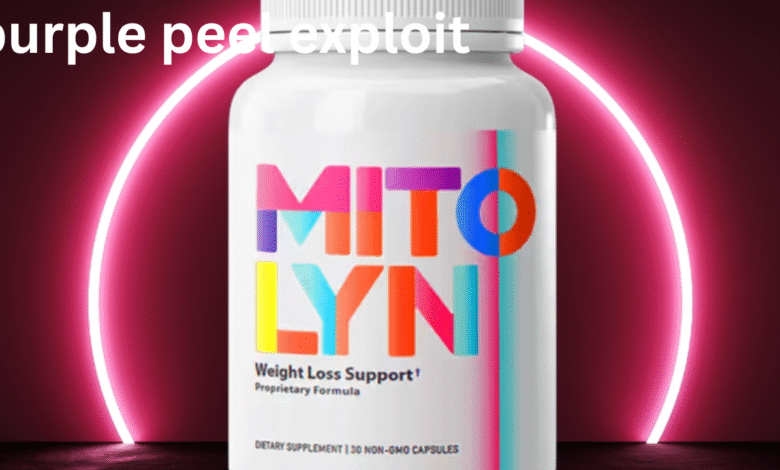
purple peel exploit has become a trending phrase in wellness circles and on product pages promising natural support for metabolism, energy, and weight management. This article explains what the phrase means in marketing, summarizes the typical ingredients associated with it, examines the science and skepticism around similar supplements, and offers practical guidance for readers considering these products. If you plan to write about purple peel exploit or evaluate it for personal use, this guide gives the context and questions you need.
What marketers mean by purple peel exploit
When marketers use the phrase purple peel exploit they are usually referring to a concept or formula built around antioxidant-rich fruit peels — often purple berries — that are positioned as supportive for cellular energy and metabolic health. The core idea behind purple peel exploit is that compounds found in colored peels (such as anthocyanins and polyphenols) can influence mitochondrial function, reduce oxidative stress, and thereby support natural energy production and fat metabolism.
Key claims often connected to this concept:
- Supports cellular energy production and mitochondrial health.
- Helps with metabolism and fat utilization.
- Provides antioxidant protection from concentrated fruit peel extracts.
- Offers a natural, stimulant-free alternative to synthetic diet products.
Typical ingredients and how they are presented
Products and press materials that reference purple peel exploit usually list plant extracts and nutrients associated with antioxidant activity. Common components invoked in product descriptions include berry extracts, adaptogenic herbs, and compounds thought to support cell function.
Typical ingredients marketed under the purple peel exploit idea:
- Maqui or other deep-purple berry peels rich in anthocyanins.
- Amla or other vitamin C–rich fruit extracts for antioxidant support.
- Astaxanthin or other carotenoids touted for cellular protection.
- Adaptogens such as rhodiola or schisandra to support steady energy.
- Cocoa or theobromine for mild mood and energy effects.
These ingredients are framed as complementary: the peel provides concentrated phytochemicals, while adaptogens and supportive nutrients help maintain sustained energy.
Quick checklist: What to look for on a product label
- Clear list of ingredients with amounts
- Third-party testing or certificate of analysis
- Manufacturing details (GMP, facility location)
- Transparent company information and return policy
What the science actually supports and what it doesn’t
The promise behind purple peel exploit mixes two truths with one big caveat. It is true that many colorful fruit peels contain antioxidants and polyphenols that have measurable biological activity in laboratory studies. It is also true that mitochondrial function is a legitimate target for improving cellular energy. The caveat is that laboratory or small clinical studies on isolated compounds do not automatically validate dramatic weight-loss or metabolism claims when sold as over-the-counter supplements.
What is reasonably supported:
- Anthocyanins and polyphenols have antioxidant effects in cells.
- Some plant compounds can influence markers of oxidative stress in short studies.
- Lifestyle changes (diet, activity, sleep) reliably influence weight and metabolic health.
What remains unproven or speculative for large product claims:
- That a single supplement formula will produce significant, sustained fat loss without diet and exercise changes.
- That concentrated peel extracts will reliably reproduce effects seen in isolated laboratory experiments or in small, short trials.
- That “natural” automatically means safe and effective for everyone.
Consumer cautions and common red flags
Because the supplement space is lightly regulated compared with prescription drugs, consumers should approach products linked to phrases like purple peel exploit with healthy skepticism. Several red flags frequently appear around viral or heavily marketed wellness products.
Red flags to watch:
- Vague ingredient listings such as “proprietary blend” without amounts.
- New or anonymous product websites with limited company transparency.
- Bold promises of rapid, effortless results.
- Lack of credible third-party testing or verifiable reviews.
If you see many of these signs, treat the product claims as promotional and not as proven medical fact.
How to evaluate a supplement that mentions purple peel exploit
Use a simple, repeatable framework to evaluate any supplement product or viral wellness claim.
Steps to evaluate:
- Read the ingredient list carefully and note exact dosages.
- Look for independent testing or certificates of analysis.
- Search for published human studies on the formula or the key ingredients.
- Check company transparency: who makes it, where it’s produced, return policy.
- Ask your healthcare provider if you are on medications or have health conditions.
Practical lifestyle alternatives that produce real metabolic benefits
Rather than relying on a single product described as purple peel exploit, evidence shows that a combination of simple lifestyle choices reliably supports metabolism and energy.
Effective, evidence-backed strategies:
- Regular physical activity combining resistance training and cardio.
- Balanced nutrition focusing on whole foods, fiber, and controlled portions.
- Adequate sleep and stress management to support hormones and recovery.
- Consistent hydration and sensible caffeine use when appropriate.
Small, sustained changes compound into measurable improvements more reliably than any single supplement.
Suggested angles for blog articles about purple peel exploit
If you are preparing content for a blog, here are several article angles that fit different audiences and editorial goals:
- Investigative review: examine the claims of a product that uses the phrase purple peel exploit and compare them with evidence.
- Consumer guide: practical tips on spotting scams and reading labels, using purple peel exploit as a case example.
- Science explainer: what anthocyanins and polyphenols do in the body and why that does not automatically equal weight loss.
- Lifestyle primer: how to combine sensible nutrition and exercise with safe supplementation, if desired.
These approaches let you cover the phrase in ways that are helpful, informative, and credible.
Short tips to improve credibility when writing about purple peel exploit
- Use clear, neutral language and avoid hype.
- Include methodology: say whether claims are from marketing, lab studies, or human trials.
- Provide actionable steps readers can take regardless of supplement choice.
- Encourage consultation with healthcare professionals for personalized advice.
Points to include in the article for readability and SEO
- Use the exact keyword purple peel exploit naturally in headings and body.
- Break long sections into short paragraphs and add bullet points for clarity.
- Add a factual, balanced tone that answers common reader questions.
- Include an author’s recommendation and a clear conclusion.
Conclusion
The phrase purple peel exploit sums up a marketing idea that centers on concentrated fruit-peel extracts and related botanicals to support metabolic and cellular health. While many of the ingredients associated with this idea have laboratory evidence for antioxidant activity, there is not a reliable body of evidence to treat any single supplement as a guaranteed solution for weight loss or metabolism change. Readers should be cautious when encountering dramatic claims, check labels and testing, and prioritize proven lifestyle strategies like diet, exercise, sleep, and stress management. If you write about purple peel exploit for a blog, aim for balanced coverage that explains the science, highlights the risks, and gives readers practical steps they can take regardless of whether they choose a supplement.